The question sounds simple. It is not. Cleaning frequency depends on how a space is used, how many people are in it, and what kind of mess it accumulates — and most of the advice people go by is either generic or completely wrong for their situation.
Here is a practical breakdown, by space type, built from what we see every week across homes and offices in Kenya.
Homes
Daily (or every two days)
The kitchen and bathroom are non-negotiable on a near-daily basis — not a deep clean, but a wipe-down of high-touch surfaces, counters, and the stovetop after cooking. Dishes and trash should never sit overnight. If you have children or pets, floors in living areas benefit from a daily sweep or vacuum.
Weekly
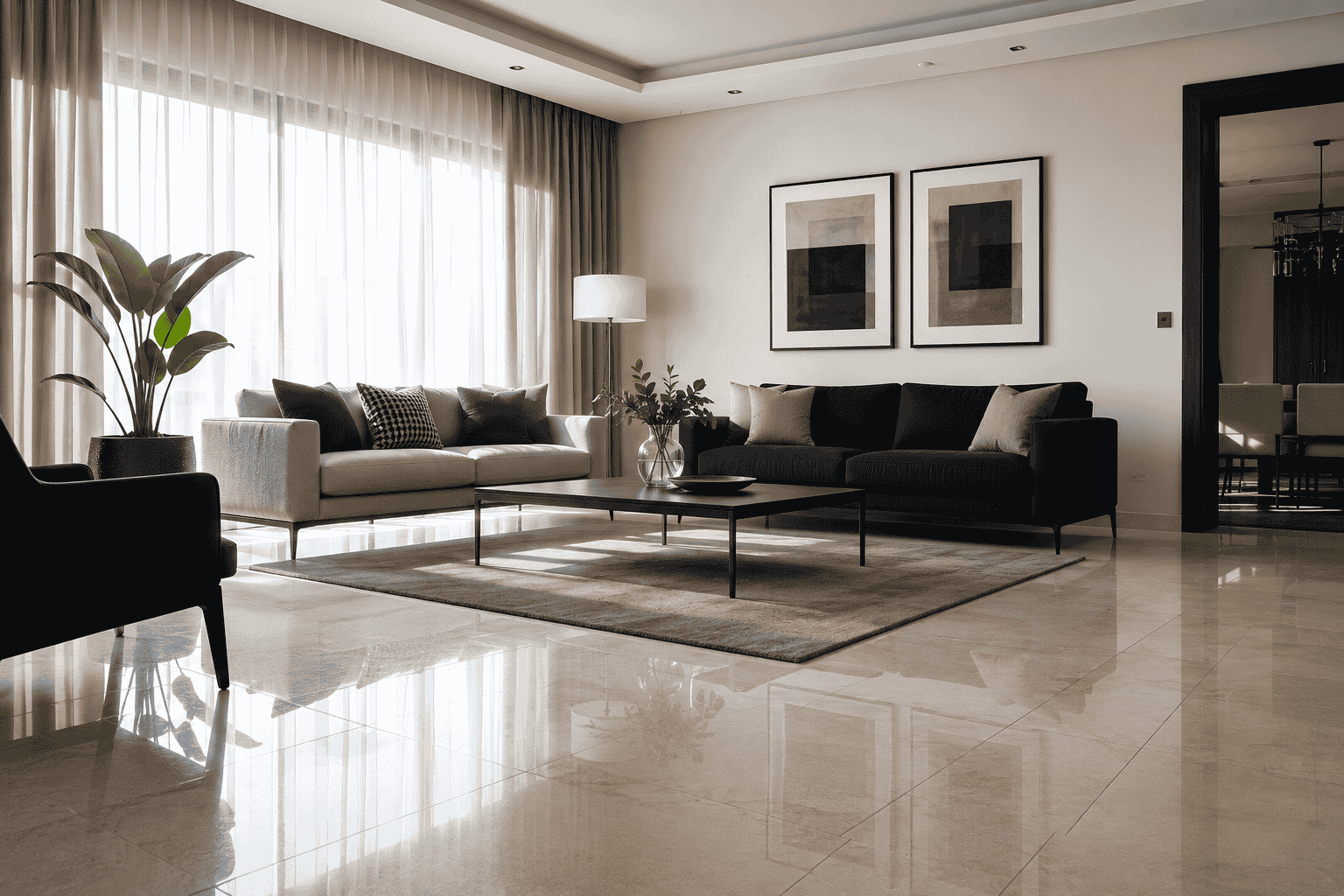
Full mopping and vacuuming of all floors. Bathroom scrubbing — toilet, sink, shower. Dusting surfaces, furniture, and electronics. Changing bed linen. Cleaning mirrors and glass. This is the baseline that keeps a home feeling clean without needing constant attention.
Monthly
Inside the microwave and fridge. Behind the stove. Skirting boards and window sills. Light switches, door handles, and the spots your weekly clean passes over. Most people forget these until they notice them — by which point they take more effort than a monthly wipe would have.
Every 3–6 months
A full deep clean. Inside cupboards and under furniture. Grout lines. Air vents and ceiling fans. The inside of the oven. Windows — inside and out. If you have not done this in over six months, you likely have dust and grime in places your regular cleaning never touches.
Offices
Daily
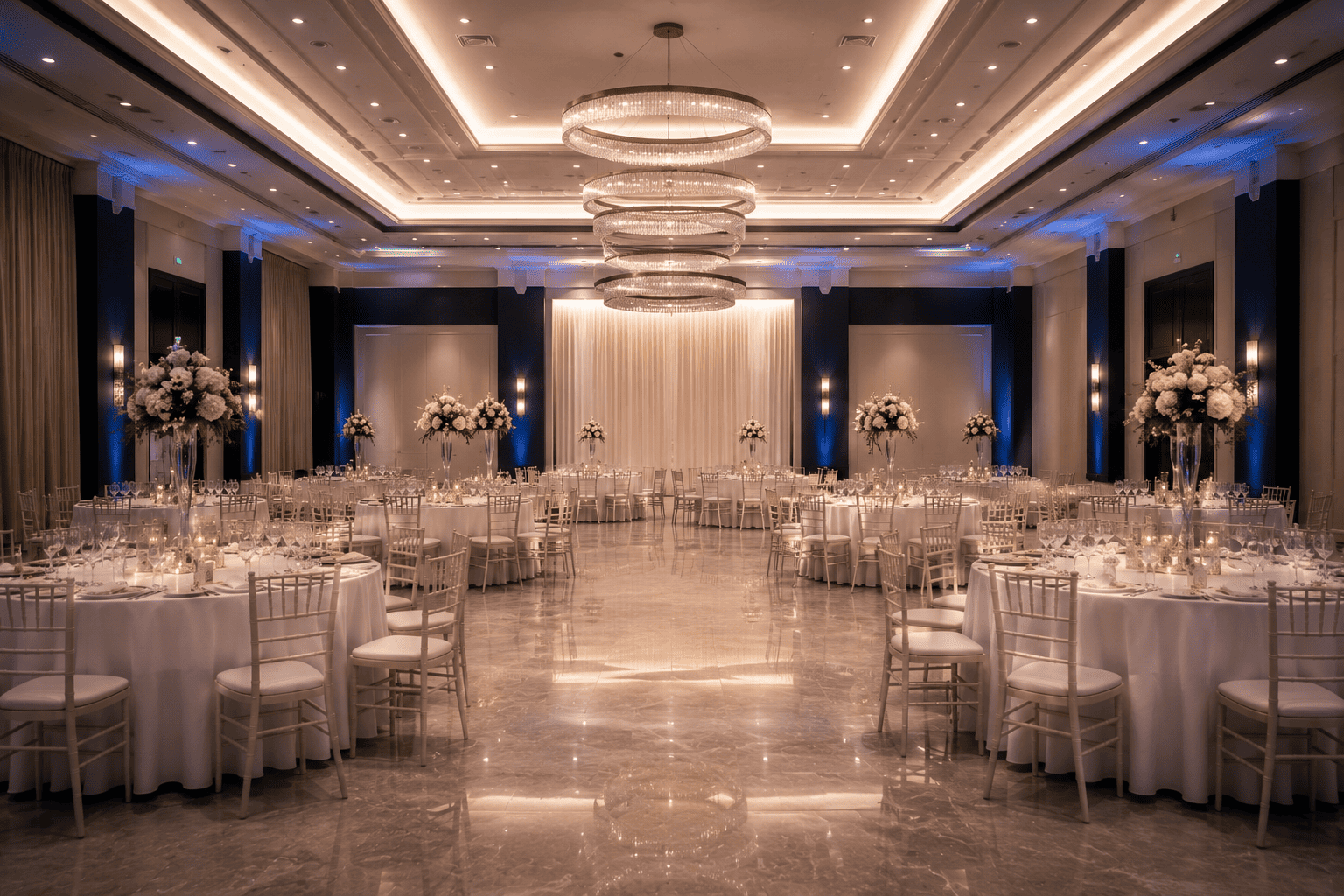
High-traffic areas — reception, corridors, meeting rooms — need daily attention. Washrooms in a working office should be cleaned at least once a day, ideally more often in larger offices. Waste bins should be emptied every day, not twice a week. Kitchenette and shared surfaces should be wiped down after each use and properly cleaned at end of day.
Weekly
Full vacuuming or mopping of workstation areas. Desk and surface wipe-downs. Cleaning glass partitions and windows. Restocking washroom consumables. Equipment like phones and keyboards — high-touch items that accumulate bacteria faster than most people realize.
Monthly or quarterly
Air conditioning vents, ceiling fans, and light fixtures. Deep cleaning of upholstered furniture and meeting room chairs. Carpet cleaning where applicable. A thorough reset of storage rooms and shared spaces that daily cleaning barely touches.
The gap most people fall into
Most homes and offices are maintained somewhere between weekly and monthly — catching the visible mess but missing everything that builds up slowly over time. The result is a space that looks clean but is not actually hygienic, and a deep clean that becomes a much bigger job than it would have been if done more consistently.
If you are not sure whether your current schedule is working, the honest answer is usually visible in your kitchen grout, behind your appliances, and in the corners of your bathroom floor.
Ray Cleaners can assess your space and tell you exactly what frequency makes sense for how you use it — not a generic schedule, but one built around your actual home or office.